Watercolor Tropical Babies Set 1 Review
As a designer who has spent years translating digital art into tangible thread, I approach every new machine embroidery design with a mix of excitement and skepticism. The gap between a beautiful screen image and a successful stitched piece is often where projects fail. Recently, I pulled up the Watercolor Tropical Babies Set 1 to see if it holds up under the scrutiny of real-world production. This collection falls squarely into the Illustrations category, promising a soft, artistic vibe that many boutique owners are chasing right now. But does the watercolor aesthetic survive the rigors of a stitching machine?
The First Impression: Mood and Visual Personality
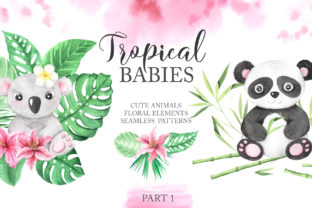
When I first opened the preview for Watercolor Tropical Babies Set 1, the immediate feeling was one of gentle whimsy. The theme leans heavily into a tropical paradise, but with a twist: the subjects are babies rendered in a soft, painterly style. Unlike sharp vector graphics that rely on hard edges, this set mimics the bleed and blend of actual watercolor paint. For an Etsy seller or a small shop owner looking to create nursery decor or baby shower gifts, this visual personality is gold. It suggests warmth, innocence, and a touch of modern artistry.
However, the challenge with any "painterly" look in embroidery is the stitch density. To achieve that watercolor effect, the design likely relies on specific fill patterns rather than solid blocks of color. In my experience, if the stitch density is too high, the fabric pucks; if it's too low, the background shows through and ruins the illusion. My initial assessment is that this set works best on medium-weight fabrics where the texture can support the intricate layering without distorting the shape.
Testing the Design in Real Projects
To truly understand the value of Watercolor Tropical Babies Set 1, I imagined a specific scenario: preparing a custom embroidered tote bag for a local boutique client. The client wanted something unique for their summer baby collection—something that felt handmade yet professional. I loaded the design into my software to visualize the placement.
On a canvas tote bag, the organic shapes of the tropical leaves and the soft outlines of the babies would pop beautifully against the natural beige fabric. The tote bag design potential here is significant because the larger surface area allows the watercolor gradients to breathe. If I were to place this on a sweatshirt embroidery project, specifically on a fleece hoodie, the pile of the fabric might interfere with the delicate details of the illustration. Fleece tends to absorb thread, making fine lines disappear. Therefore, I would recommend this design more for cotton blends, linen, or stable knits used in custom apparel.
For a handmade product line, such as pillow covers or tea towels, the design offers a sophisticated alternative to standard cartoon characters. A customer buying a personalized gift wants to feel like they are purchasing art, not just a logo. The finished product using Watercolor Tropical Babies Set 1 elevates the perceived value of the item. When customers see the subtle shading achieved through thread, their trust in the quality of the craft increases. This is crucial for building brand consistency in a competitive market like commercial embroidery.
Navigating Fabric and Hoop Constraints
While the design is visually stunning, there are practical limitations every maker must respect. One of the most critical factors is the hoop size. Watercolor effects often require a certain amount of negative space to look authentic. If you try to shrink this design down to fit a tiny 4x4 hoop for a cap patch, the blending will likely turn into muddy blobs. The embroidered patch application should be reserved for larger areas, perhaps on denim jackets or backpacks, where the detail can remain crisp.
Fabric texture also plays a massive role. On highly textured fabrics like heavy burlap or thick terry cloth, the fine details of the babies' faces or the leaf veins might get lost. Similarly, on very thin fabrics like chiffon or silk, the weight of the thread could cause distortion unless you use a floating technique with plenty of stabilizer. I always advise testing the design on scrap fabric first, especially when working with stretchy materials. The tension required to hold the fill stitch together can pull the fabric out of shape if the stabilizer isn't adequate.
Dark fabrics present another hurdle. The watercolor style relies on lightness and transparency. Stitching this design directly onto black or navy blue fabric without an underlay or a white backing might result in a dull, muddy appearance. You may need to adjust the thread colors or add a satin stitch border to frame the design and make it stand out. Always test your design in black and white mockups before committing to expensive thread and fabric.
Practical Notes for the Professional Maker
If you decide to integrate Watercolor Tropical Babies Set 1 into your business workflow, keep these practical notes in mind:
- Check Licensing: Before selling finished items or offering this as a digital product, confirm the licensing terms. Some design assets allow personal use only, while others permit commercial sales of physical goods but not the resale of the file itself.
- Stitch Count Verification: While the visual appeal is high, ensure the stitch count fits within your machine's memory limits. Complex illustrations can sometimes exceed the capacity of older machines.
- Color Matching: The watercolor look depends on the interplay of thread colors. You may need to purchase specialty variegated threads or manually switch colors frequently to mimic the gradient effect shown in the preview.
- Washability: Since this design targets baby items, consider how it will hold up after frequent washing. Dense fill stitch areas can become stiff over time. Using a softer thread type or adjusting the density slightly can improve comfort for baby skin.
- Mockup Testing: Create printable mockups to show clients how the design looks on different products. This helps manage expectations regarding the final look on various textures.
Final Verdict for Your Craft Business
In conclusion, Watercolor Tropical Babies Set 1 is a strong contender for designers looking to add a touch of artistic flair to their small shop product offerings. It excels in creating emotional connections with buyers, particularly for holiday gifts, nursery essentials, and boutique merchandise. However, it demands a skilled hand to execute properly. It is not a "load and go" design for beginners; it requires attention to stabilizer choice, fabric selection, and color management.
For the creative entrepreneur willing to put in the extra effort, this embroidery file can be a standout asset. It transforms simple garments into conversation pieces. Whether you are making a personalized gift for a friend or launching a new line of baby embroidery items, the key is to respect the design's limitations while maximizing its artistic strengths. By testing thoroughly and choosing the right applications, you can ensure that the watercolor magic translates perfectly from the screen to the stitch.