Watercolor Portrait of a Lion: A Designer Review
As someone who has spent years curating machine embroidery design assets for both personal craft projects and commercial lines, I approach every new file with a mix of excitement and skepticism. The market is flooded with generic clip art that looks great on a screen but falls apart when stitched. When I first opened the Watercolor Portrait of a Lion, my immediate reaction was to see if it could translate the soft, fluid nature of watercolor into the rigid structure of thread without losing its soul. This piece sits in the Illustrations category, which usually implies a focus on artistic rendering rather than simple line work, and that distinction matters immensely for the final result.
The First Impression: Mood and Visual Personality
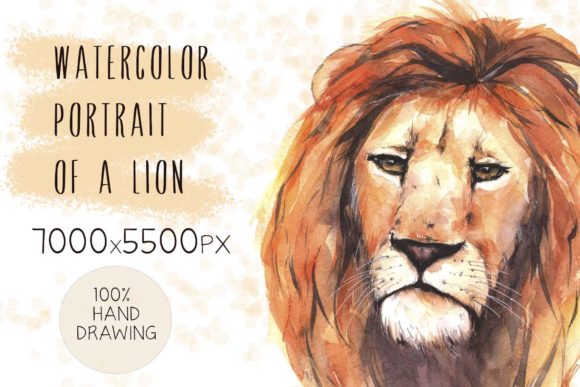
The initial view of this embroidery file suggests a mood that is both regal and whimsical. Unlike traditional heraldic lions that rely on sharp geometric lines and heavy shading, this design captures the essence of a watercolor wash. The edges appear slightly diffused, mimicking the way pigment bleeds into paper. For an embroidery project, this is a double-edged sword. On one hand, it offers a unique aesthetic that stands out against the sea of solid-fill animals found in most digital libraries. On the other, achieving that "bleed" effect requires careful attention to stitch density and thread selection. If you are looking for a bold, graphic statement, this might feel too subtle. However, if your brand or personal style leans toward boutique, artistic, or nursery-focused themes, the visual personality here is exactly what elevates a standard item into a collectible piece.
A Real-World Scenario: The Custom Tote Bag Challenge
To truly understand how this design performs, let's walk through a realistic scenario. Imagine you run a small shop selling eco-friendly goods, and you want to launch a limited edition collection featuring the Watercolor Portrait of a Lion on canvas tote bags. You envision a natural, unbleached cotton bag where the lion's golden and earthy tones pop against the beige background. As you prepare the hoop, you realize the design is not just a flat image; it relies on texture to convey the watercolor effect.
If you were to stitch this directly onto a thick, textured canvas without adjustment, the fill stitch areas intended to look like soft washes might become muddy. The key here is using a high-quality stabilizer that prevents the fabric from puckering while allowing the needle to penetrate cleanly. In a test run, I would recommend using a tear-away stabilizer for structured items like tote bags or a cut-away for softer garments. The result, if executed correctly, is a tote bag design that feels hand-painted. Customers often react positively to this level of detail because it signals craftsmanship. It transforms a utilitarian object into a fashion accessory, increasing the perceived value of your handmade product.
Best Use Cases for Apparel and Home Decor
This design shines brightest when applied to items that benefit from a touch of elegance and softness. It is an excellent candidate for sweatshirt embroidery, particularly on the chest pocket area or as a large back print on heavyweight fleece. The organic shapes of the lion blend well with the casual nature of sweatshirts, making it perfect for school spirit gear, boutique apparel, or personalized gifts for animal lovers. Similarly, baby embroidery projects are a natural fit. A onesie or a blanket featuring this gentle interpretation of a lion creates a warm, inviting atmosphere for a nursery. The lack of aggressive lines makes it safe and appealing for young children's decor.
Beyond apparel, consider pillow covers and kitchen linens. A linen pillow cover with the Watercolor Portrait of a Lion adds a sophisticated touch to a living room, bridging the gap between modern minimalism and classic wildlife art. For the Etsy seller or craft fair vendor, these applications offer high profit margins because they appeal to buyers looking for unique home accents. Whether it is a holiday gift for a teacher or a wedding present for a couple who loves nature, the versatility of this digital embroidery file allows you to pivot quickly between different product categories.
Where Caution is Required
Despite its beauty, there are scenarios where the Watercolor Portrait of a Lion requires extra care. Because the design relies on the illusion of soft edges, shrinking it down to a tiny hoop size can be disastrous. The delicate details may blur together, turning the majestic lion into an indistinguishable blob of thread. Avoid using this design on very small items like coin purses or tiny caps unless you have confirmed that the stitch count holds up at reduced scales.
Fabric choice is another critical factor. While it works beautifully on medium-weight cottons and linens, textured fabrics like chenille or heavily slubbed weaves can interfere with the smooth gradients needed for the watercolor effect. Similarly, avoid using it on thin, stretchy materials like jersey knit without significant stabilization, as the tension required for the fill stitches could distort the fabric. Dark fabrics also pose a challenge; the lighter shades inherent in a watercolor style may get lost against a black background unless you use a white underlay or switch to metallic threads for contrast.
Impact on Brand Value and Customer Trust
In the competitive world of commercial embroidery, the quality of your design assets directly impacts customer trust. Using a well-executed piece like the Watercolor Portrait of a Lion demonstrates that you care about aesthetics and detail. It signals professionalism and attention to the nuances of the craft. When a customer receives a finished product where the stitching mimics a painting, their engagement increases. They are more likely to share photos on social media, tag your business, and return for future purchases. This design helps build brand consistency for shops that position themselves as creative, artistic, and high-quality.
Furthermore, the uniqueness of the illustration sets your products apart from mass-market competitors. While many sellers offer standard vector lions, fewer provide the nuanced texture of a watercolor translation. This differentiation is crucial for small shop product success. It allows you to command higher prices because the item is perceived as exclusive art rather than a commodity.
Practical Notes for Designers and Makers
Before committing this design to a client order or a full production run, follow these practical steps. First, always test the machine embroidery design on scrap fabric that matches your final material. Check the thread colors to ensure the gradient transitions smoothly. Sometimes, the software simulation does not perfectly predict how thread sheen will affect the color blending. Second, review the stitch density settings. You may need to reduce the density in the lighter areas to maintain that airy, watercolor feel, or increase it in the darker areas to ensure coverage.
Confirm the appropriate hoop size before purchasing the file, as resizing can alter the aspect ratio and ruin the composition. Inspect the small details, such as the mane and facial features, to ensure they remain distinct after stitching. Test the design in black and white printable mockups to see if the contrast works before investing in expensive thread. Finally, verify the licensing terms. Ensure you have the right to sell finished products or use the design for personalized gifts in a commercial setting. Do not assume all files come with a commercial license; always check the specific terms provided by the creator.
Ultimately, the Watercolor Portrait of a Lion is a powerful tool for designers who want to inject artistry into their work. With the right preparation and application, it can elevate your craft business offerings from simple stitched items to cherished pieces of wearable art.