Watercolor Fashion Clipart: A Designer's Review
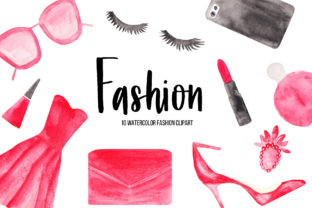
As a designer who has spent years translating digital art into tangible thread, I approach every new asset with a critical eye. When I first opened the Watercolor Fashion Clipart file to evaluate it for my upcoming collection of handmade tote bags, my immediate reaction was one of cautious optimism. The aesthetic is undeniably trendy, capturing that soft, dreamy vibe that sells incredibly well on Etsy and in boutique shops. However, the leap from a crisp digital illustration to a stitched reality is where many projects fail. This review breaks down how this specific design translates from screen to fabric, helping you decide if it belongs in your next commercial embroidery project or your personal craft stash.
The First Impression: Mood and Visual Personality
At first glance, the Watercolor Fashion Clipart exudes a sense of effortless elegance. The shapes are fluid, mimicking the way paint bleeds into paper, creating a softness that contrasts sharply with the rigid geometry often found in standard machine embroidery designs. For an Etsy seller or a small shop owner looking to differentiate their brand, this mood is powerful. It suggests femininity, creativity, and a high level of artistic curation.
However, as a reviewer, I immediately began analyzing the line work. Watercolor styles rely heavily on gradients and subtle color transitions. In a digital format, these are smooth; in thread, they become a challenge. The visual personality here is delicate. If you are aiming for a bold, graphic statement on a heavy canvas jacket, this might feel too light. But for a linen apron, a baby blanket, or a silk pillow cover, the ethereal quality of the Illustrations within this set feels perfectly matched to the fabric texture.
Translating Soft Edges into Stitching Reality
The core challenge with any watercolor-style machine embroidery design is the edge definition. Unlike a vector logo with hard lines, watercolor edges fade. To replicate this in thread, we typically rely on varying stitch density and perhaps some creative use of fill stitch patterns that aren't 100% solid. When I simulated this design on a mockup for a custom sweatshirt, I noticed that the outer edges required careful attention. If the embroidery file uses a standard running stitch for outlines, the "bleed" effect might look jagged rather than soft.
For a real-life scenario, imagine preparing a personalized gift for a wedding shower using this clipart on a tea towel. The thread colors need to be chosen with precision. You cannot simply pick a single shade of blue; you need a palette that mimics the gradient. Using multiple shades of the same hue in the fill areas can create that washed-out, painterly look. If the design relies too heavily on a single satin stitch for large areas, it will look like a block of color rather than a watercolor wash. The success of the finished product depends entirely on how well the digitizer has interpreted the fading edges.
Best Use Cases for Your Craft Business
Where does Watercolor Fashion Clipart truly shine? My experience suggests it is ideal for items where softness is a selling point. Think nursery decor, where baby embroidery needs to feel gentle and inviting. A onesie or a hooded towel featuring this design would likely appeal to parents looking for something unique compared to the typical cartoon characters.
It also works exceptionally well for custom apparel meant for casual wear. A cotton tote bag design featuring these illustrations adds a touch of artistic flair without being overwhelming. For holiday gifts, consider using these assets on a kitchen towel or a festive apron. The organic shapes blend beautifully with natural fibers like cotton and linen, enhancing the handmade presentation of your craft business products.
If you are a digital product seller, these designs can serve as excellent printable mockups to showcase other items in your shop. They provide a cohesive background that elevates the perceived value of your listings. However, remember that the physical execution requires skill. A poorly stitched version can ruin the illusion of the watercolor effect, turning a beautiful image into a muddy patch of thread.
Designs That Need Careful Handling
While versatile, this style is not suitable for every surface. Be very careful when using Watercolor Fashion Clipart on stretchy fabrics like jersey knit or spandex blends. The intricate details and lighter stitch densities can distort when the fabric stretches, ruining the delicate balance of the design. Similarly, dark fabrics present a significant challenge. Without a dense underlay, the soft pastel tones inherent to watercolor styles may disappear completely against a black or navy background.
Avoid using this design on curved surfaces like caps unless you have tested it extensively. The flow of the watercolor strokes can get lost on the dome of a hat, especially if the hoop size forces the design to warp. Furthermore, if you plan to sell these as embroidered patches, ensure the backing is sturdy enough to support the potentially lower density areas. Products that require frequent washing, such as dish towels or gym wear, might see the finer details fray over time if the stitch density isn't optimized for durability.
Practical Notes for the Professional Designer
Before committing to a client order or stocking up inventory, I strongly advise you to test the design on scrap fabric first. Check the thread color contrast to ensure the softer elements remain visible. Inspect the small details closely; sometimes, the digitizing process simplifies complex watercolor splatters into generic dots, which loses the charm of the original Illustrations.
Always confirm the licensing terms before selling finished items. While the design may be available for personal use, commercial rights for commercial embroidery or selling the digital embroidery file itself may differ. As a small shop product creator, protecting your business means understanding exactly what you are allowed to do with your design assets.
Finally, trust your eyes but verify with a machine run. Compare light and dark fabric backgrounds to see how the fill stitch behaves. Use the proper stabilizer to prevent puckering, which is particularly noticeable on the fine lines of watercolor art. By taking these steps, you ensure that the finished product maintains the professional quality and visual appeal that your customers expect, turning a simple embroidery project into a standout piece of wearable art.