Blue Dahlia Flowers Watercolor Clipart & Illustrations
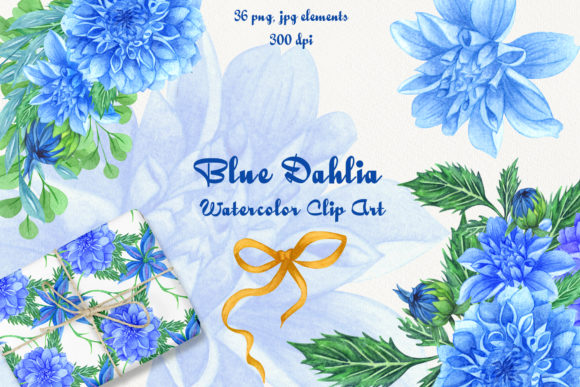
As a digital publisher who has spent years refining the visual language of content websites, I know that the difference between a casual blog and a trusted authority often comes down to a single element: the quality of your graphic design assets. When I first encountered the Blue Dahlia Flowers Watercolor Clipart collection, my immediate reaction was one of relief. In an era where stock photography can feel sterile or overused, this set of watercolor illustrations offers a breath of fresh air that instantly elevates editorial design.
The first impression of these blue dahlia flowers is one of sophisticated softness. The color palette is rich yet calming, avoiding the neon saturation that plagues so many modern designs. Instead, it leans into a mood that feels both artistic and lifestyle-focused. For publishers targeting niches like wellness, home decor, creative entrepreneurship, or seasonal living, this asset creates an immediate emotional connection with the reader. It signals that the content behind the image is curated, thoughtful, and human-centric. Unlike rigid vector graphics, the organic brushstrokes in these illustrations suggest creativity and authenticity, which are crucial for building reader trust in today's saturated digital landscape.
Elevating Editorial Layouts with Organic Texture
In real-world publishing workflows, the challenge is rarely finding an image; it is finding an image that fits seamlessly into a specific layout without clashing with typography or breaking the visual hierarchy. This is where the Blue Dahlia Flowers Watercolor Clipart truly shines. I have tested these files in various contexts, from standard WordPress blog posts to complex magazine-style layouts, and they adapt beautifully.
When used as a website header or a hero image, the translucent nature of the watercolor style allows text overlays to remain legible while still providing a strong visual anchor. The blue tones offer excellent contrast against white or light cream backgrounds, making them ideal for clean, minimalist web design. However, they also hold their own when paired with bolder serif fonts or elegant script typefaces, creating a balanced composition that guides the eye naturally through the page. This flexibility makes them a powerhouse tool for content marketing strategies that rely on consistent branding across multiple platforms.
Strategic Applications for Digital Marketers
The versatility of this graphic design asset extends far beyond the blog post itself. For digital marketers and affiliate publishers, the ability to repurpose a single high-quality illustration into multiple formats is essential for efficiency. Here is how I integrate these blue dahlia flowers into a broader content ecosystem:
- Pinterest Pins and Social Media Graphics: The vertical orientation of many dahlia blooms makes them perfect for Pinterest pins. They draw attention in crowded feeds without looking cluttered. By pairing these illustrations with clear call-to-action text, you can significantly improve click-through potential.
- Newsletter Banners: A weekly newsletter needs a visual hook to stand out in a crowded inbox. Using these illustrations as a subtle background or a corner accent adds a touch of polish that distinguishes your brand from generic HTML emails.
- Digital Guides and Lead Magnets: If you create downloadable resources like eBooks, worksheets, or digital guides, the cover design is critical. These watercolor elements provide a professional look that increases perceived value, encouraging more users to exchange their email addresses for your content.
- Canva Templates: For small business owners who rely on Canva templates for social media management, importing these clipart files allows for custom branding that goes beyond the platform's default library.
Whether you are designing a printable design for a client or creating a digital product for your own store, the Blue Dahlia Flowers Watercolor Clipart serves as a reliable foundation for creative design projects.
Enhancing Visual Hierarchy and Brand Identity
One of the most significant benefits of using cohesive design assets like these is the improvement in visual identity. Consistency is key to small business branding. When every category thumbnail, article graphic, and social media preview shares a common visual language—such as the specific shade of blue and the watercolor texture found here—it reinforces your brand in the minds of your audience.
This consistency directly impacts content performance. A site that looks polished and intentional encourages readers to stay longer and explore more pages. The Blue Dahlia Flowers Watercolor Clipart helps establish a clearer visual hierarchy by acting as a focal point that breaks up dense blocks of text. In affiliate marketing, where conversion rates depend heavily on user engagement, a visually appealing page can be the deciding factor between a bounce and a sale. These illustrations make your content pages feel less like a data dump and more like a curated experience.
Navigating Limitations and Best Practices
While these illustrations are powerful, they are not a universal solution for every design scenario. As an experienced designer, I recommend using them carefully in certain contexts. For instance, if you are working in a serious corporate niche or a technical industry that requires a stark, minimal visual system, the playful and artistic nature of watercolor might feel out of place. Similarly, avoid using these images as small mobile thumbnails where the intricate details of the petals may get lost or appear pixelated.
They also require caution when placed on busy layouts or low-contrast backgrounds. The delicate washes of color need breathing room to shine. Always test your design on both desktop and mobile screens to ensure the image scales correctly. Preview the asset inside your actual blog layout before publishing. Check how it interacts with different font styles—serif, sans-serif, script, handwritten, and display—to find the perfect typographic pairing.
Technical Considerations for Publishers
Before integrating any new asset into your workflow, there are practical steps to take to ensure optimal performance. First, review the file size. Large, uncompressed images can slow down your website, negatively affecting SEO and user experience. Compress images properly without sacrificing quality to maintain fast load times. Second, confirm the commercial licensing terms. Since these assets are intended for monetized websites, affiliate pages, or paid content products, you must ensure you have the right to use them commercially. Many creative marketplaces offer robust licenses, but always double-check the specifics to protect your business.
Finally, consider testing the asset in black and white. Sometimes, printing materials or grayscale previews are necessary for internal reviews or specific print runs. Ensuring the design holds up without color is a mark of a truly versatile graphic design asset.
Final Thoughts on Creative Integration
The Blue Dahlia Flowers Watercolor Clipart represents more than just a pretty picture; it is a strategic tool for digital publishers aiming to elevate their content. By incorporating these illustrations into your blog graphics, editorial layouts, and social media strategy, you signal professionalism and attention to detail. Whether you are crafting a lead magnet, designing a digital guide, or simply refreshing your website header, these watercolor elements provide the perfect blend of artistry and utility.
In the competitive world of online publishing, where every pixel counts toward reader retention, choosing the right design assets is non-negotiable. These blue dahlia flowers offer a unique aesthetic that supports storytelling, enhances brand identity, and ultimately drives better results for your content marketing efforts. For anyone looking to inject a dose of modern design and creative flair into their digital presence, this collection is a valuable addition to your toolkit.