Watercolor Cages and Flowers Designs Illustrations
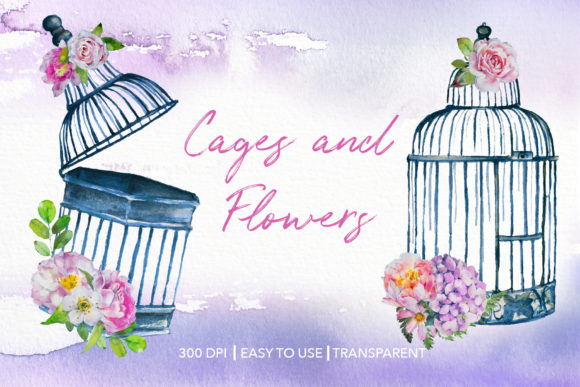
When I first opened the file for Watercolor Cages and Flowers Designs, I was immediately struck by the delicate balance between structure and organic flow. As a graphic designer who has spent years curating assets for real client projects, I know that the difference between a good design and a great one often lies in the quality of the foundational elements. This specific collection of illustrations offers a unique visual narrative that feels both vintage and contemporary. The soft washes of color against the defined lines of the cages create a mood that is simultaneously whimsical and grounded, making it an intriguing option for various creative endeavors.
The First Impression: Mood and Visual Texture
In my initial review, the primary strength of Watercolor Cages and Flowers Designs is its texture. Unlike flat vector graphics that can sometimes feel sterile, these illustrations carry the weight of hand-painted artistry. The watercolor technique introduces subtle variations in saturation and opacity, which adds depth to any layout. For a client looking to establish a brand identity rooted in authenticity, nature, or handmade craftsmanship, this asset provides an immediate emotional connection. It suggests care, detail, and a human touch, which are critical values for small business branding in sectors like artisanal goods, wellness, or boutique fashion.
The interplay between the rigid geometry of the cages and the chaotic beauty of the flowers creates a compelling visual tension. This duality makes the illustrations versatile; they can represent themes of protection, growth, confinement, or freedom depending on how they are contextualized within a larger design system. Whether you are designing for a local event, a seasonal campaign, or an online product launch, the inherent storytelling potential of these graphics is significant.
Real-World Application in Client Projects
Imagine a scenario where I am preparing a visual concept for a new line of botanical skincare products. The client wants a packaging design that feels premium yet approachable. In this context, Watercolor Cages and Flowers Designs becomes a cornerstone of the project. I could use the floral elements as the primary motif for the product labels, ensuring they wrap elegantly around the bottle shape. The cage motifs could serve as decorative borders or background patterns, adding a layer of sophistication without overwhelming the typography.
Beyond packaging, these illustrations perform exceptionally well in marketing visuals and social media graphics. For an Etsy shop owner or a print-on-demand seller, the ability to place these designs on t-shirts, tote bags, or mugs opens up a world of possibilities. The soft edges of the watercolor style translate beautifully onto fabric, avoiding the harshness often seen with solid-color clipart. Similarly, for digital sellers creating Canva templates or printable wall art, these assets provide a high-end aesthetic that elevates the perceived value of the final product.
Where These Assets Shine Brightest
From a practical standpoint, Watercolor Cages and Flowers Designs works best in large layout areas where the texture can be appreciated. Hero graphics for websites, full-page editorial spreads, or the front of a poster allow the intricate details of the brushstrokes to breathe. They are also ideal for decorative accents in invitations and flyers, where a touch of elegance is required. When used in themed collections or campaign visuals, these illustrations help unify disparate elements under a cohesive visual language. For designers working on merchandise, such as sticker designs or sublimation prints, the vibrant yet soft color palette ensures the final product looks polished and professional.
Navigating Design Challenges and Limitations
However, experienced design judgment dictates that no asset is universally perfect. There are situations where Watercolor Cages and Flowers Designs should be used with caution. Because of the detailed nature of the watercolor effects, shrinking these illustrations too much can result in a loss of definition. In crowded layouts or when placed against complex backgrounds, the delicate lines may get lost, compromising the visual hierarchy. Minimalist branding projects that rely on stark, clean lines might find these illustrations too busy or textural.
Furthermore, while these designs excel in creative and lifestyle contexts, they may not be suitable for professional corporate materials that demand a more rigid, modern aesthetic. If the goal is to convey strict authority or technical precision, the whimsical nature of these flowers and cages could undermine the intended message. It is crucial to assess the brand voice before integrating such expressive elements into a commercial design.
Impact on Brand Consistency and Readability
Integrating Watercolor Cages and Flowers Designs into a project significantly affects readability and overall impression. The organic shapes naturally draw the eye, but they must be balanced with strong typography to maintain clarity. When pairing these illustrations with fonts, I recommend testing them against serif fonts for a classic look, script fonts for a romantic feel, or sans-serif fonts for a modern contrast. The key is to ensure that the text remains legible and does not compete with the intricate details of the graphics.
These assets contribute heavily to emotional appeal and audience engagement. A brand that uses high-quality, evocative imagery like this builds trust and recognition more effectively than one relying on generic stock photos. The visual consistency provided by using a cohesive set of illustrations across various touchpoints—from website headers to Instagram posts—reinforces the brand identity and makes the business appear more established and thoughtful.
Practical Designer Notes for Commercial Use
Before committing to Watercolor Cages and Flowers Designs for a client project, there are several technical checks I always perform. First, I test the files in black and white to ensure the composition holds up without color, which is vital for certain print applications. I also check the contrast on both light and dark backgrounds to guarantee visibility across different mediums. Previewing the designs at small sizes helps identify any pixelation issues, especially if the PNG transparency is not perfectly clean.
If the bundle includes SVG files, I inspect the vector editability to see if colors can be adjusted to match specific brand guidelines. For print-on-demand projects, reviewing the file resolution and format is essential to ensure high-quality output. Finally, confirming the commercial license is non-negotiable. Using these assets for a client's logo design, product mockup, or marketing campaign requires clear rights to avoid legal complications. By following these steps, designers can confidently leverage Watercolor Cages and Flowers Designs to create stunning, professional results that resonate with their target audience.