Watercolor Marijuana Leaf Vector Review
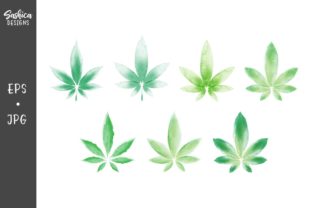
As a designer who has spent years translating digital art into tangible thread, I approach every new asset with a critical eye. When I first opened the Watercolor Marijuana Leaf Vector, my initial reaction was one of artistic appreciation rather than immediate technical assessment. The design captures that soft, bleeding-edge aesthetic typical of watercolor paintings, where colors merge and fade naturally. In the realm of Illustrations, this is a standout piece. However, moving from a pixel-perfect screen to a physical embroidery project requires a different set of considerations. This review explores how this specific vector translates when stitched onto real fabric, helping you decide if it belongs in your next collection.
The Artistic Challenge: Translating Softness to Thread
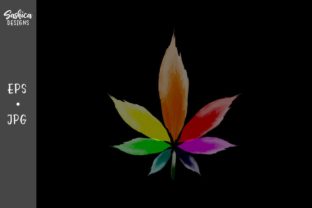
The core appeal of the Watercolor Marijuana Leaf Vector lies in its organic, fluid look. Unlike rigid geometric patterns or bold line art, this design relies on gradients and subtle color transitions. In machine embroidery, achieving a true watercolor effect is notoriously difficult. Standard fill stitch tends to create solid blocks of color, which can flatten the delicate nuances of the original artwork. To make this work, you need to think about how you will manipulate the stitch density and layering. If you simply import the file as is, you risk losing the "painterly" quality that makes the design special.
I imagine using this for a high-end custom apparel item, perhaps a heavy-weight canvas tote bag or an unbleached cotton apron for a boutique kitchenware shop. On these neutral backgrounds, the soft greens and muted tones of the leaf would pop beautifully, provided the stitching technique respects the source material. The visual personality here is relaxed and bohemian, fitting perfectly into a brand identity that values artisanal craftsmanship over mass-produced uniformity. For an Etsy seller looking to elevate their handmade product line, this design offers a unique selling point that separates your work from generic clip-art embroidery.
Real-World Application: From Sweatshirts to Patches
Let's talk about a specific scenario. Suppose you are preparing a limited run of sweatshirt embroidery for a local craft fair. You want the design to feel premium, not like a cheap logo slapped on a garment. The Watercolor Marijuana Leaf Vector works exceptionally well here if placed on the chest pocket area or the back shoulder. The organic shape mimics the natural drape of the fabric, creating a harmonious visual flow. However, because the design features intricate details at the edges of the leaf veins, you must ensure your hoop size accommodates the full span without distorting the image.
Another strong use case is the embroidered patch. Creating a series of patches with this design allows for creative versatility. Customers can iron them onto denim jackets, backpacks, or even baby clothes (if the scale is adjusted appropriately). The soft aesthetic makes it less aggressive than traditional cannabis imagery, broadening its appeal to a wider demographic. It becomes a statement of lifestyle rather than just a symbol. For a small shop product like a pillow cover or a tea towel, the design adds a touch of sophistication. Imagine a linen pillow cover in a nursery or living room; the watercolor style feels homey and inviting, transforming a simple textile into a piece of decor.
Navigating Fabric and Texture Constraints
While the design is versatile, it is not universally applicable without caution. The Watercolor Marijuana Leaf Vector contains fine lines and gradient areas that demand attention when selecting your substrate. On textured fabrics like tweed or thick wool, the delicate details might get lost in the weave. Similarly, on stretchy fabrics like jersey knit, the tension required for embroidery could distort the soft curves of the leaf unless you use a high-quality stabilizer.
Dark fabrics present another challenge. Watercolor effects often rely on white or light backgrounds to show the transparency of the paint. Stitching this design directly onto black or navy fabric may require significant digitization adjustments to maintain visibility. You might need to add a backing satin stitch border or use a lighter thread palette to ensure the thread colors stand out. Additionally, curved surfaces like caps can compress the design, potentially squashing the vertical elements of the leaf. Always test the layout on a mockup before committing to production.
Practical Designer Notes for Success
If you decide to integrate the Watercolor Marijuana Leaf Vector into your workflow, follow these practical steps to ensure a professional result:
- Test on Scrap Fabric First: Never skip the test run. Stitch the design on a scrap piece of the exact fabric you plan to use. Check if the running stitch outlines hold up and if the fill areas look too dense or too sparse.
- Review Stitch Density: Look closely at the transition areas. If the software creates too many stitches in the gradient zones, the fabric may pucker. Reduce the density slightly to mimic the airy feel of watercolor.
- Check Color Contrast: Ensure your chosen thread colors provide enough contrast against the background. A subtle green on a beige shirt might disappear under poor lighting.
- Confirm Licensing: Before selling any finished product or digital files, verify the license terms. Some commercial embroidery assets have restrictions on the number of items you can sell or whether you can resell the digital embroidery file itself.
- Inspect Small Details: Zoom in on the final stitch-out. Are the tiny vein details visible, or do they look like blobs? You may need to manually adjust the digitizing to preserve clarity.
- Use Proper Stabilizer: For designs with open areas or long satin stitches, a cutaway stabilizer often provides better support than tear-away, preventing distortion during washing.
Impact on Brand and Customer Trust
Using a design like the Watercolor Marijuana Leaf Vector affects more than just the look of your product; it influences customer perception. In the world of personalized gifts and holiday embroidery, customers expect quality. A well-executed, artistic design signals that you care about aesthetics and detail. It elevates your brand from a commodity seller to a creative partner. Conversely, a poorly executed version of this design—where the watercolor effect looks muddy or the lines are jagged—can damage your reputation.
For creative entrepreneurs building a portfolio, this type of design demonstrates versatility. It shows you can handle complex visuals and adapt them for different mediums, whether it's a tote bag design for a festival or a delicate accent on a baby blanket. The ability to deliver a printable mockup that accurately represents the final stitch is also crucial for online sales. Customers need to trust that what they see on your website is what they will receive.
Final Thoughts on Commercial Viability
The Watercolor Marijuana Leaf Vector is a powerful asset for those willing to put in the extra effort to translate its digital beauty into thread. It is not a "load and go" design that works perfectly on every surface without adjustment. Instead, it rewards the designer who understands the interplay between machine embroidery design techniques and artistic intent. By carefully selecting your materials, adjusting your settings, and testing thoroughly, you can create a finished product that stands out in a crowded market.
Whether you are a hobbyist making personalized products for friends or a business owner scaling your craft business, this design offers a fresh take on a classic motif. Just remember to respect the limitations of the medium. With the right approach, the Watercolor Marijuana Leaf Vector can become a signature element in your collection, bringing a touch of organic elegance to everything from kitchen towels to wedding gifts. Always check the specific file requirements and licensing before you start stitching, and let your creativity guide the process.