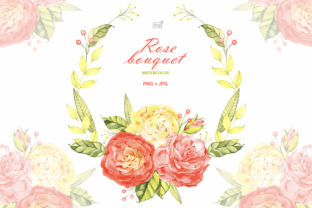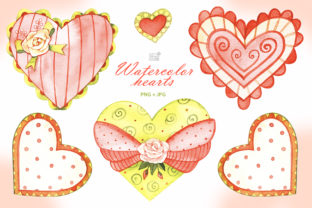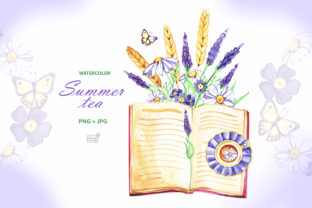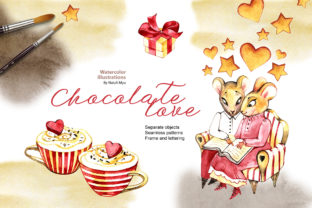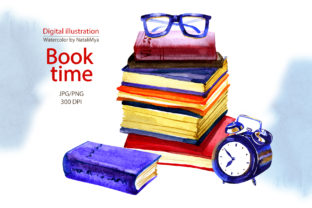
Watercolor Book Cliparts & Illustrations
I recently opened a new folder of digital assets while prepping for my upcoming spring craft fair and Etsy shop restock. As a maker who has spent years navigating the line between artistic vision and technical execution, I know that finding the right graphic design asset can make or break a product launch. The Watercolor Book Cliparts immediately caught my eye with its soft, organic aesthetic. In a sea of bold, vector-heavy designs, these illustrations offer a gentle, sophisticated touch that feels perfect for the "cozy reader" niche currently trending on creative marketplaces.
The first impression is one of warmth and nostalgia. These aren't sharp, geometric shapes; they are fluid, textured, and inviting. They suggest a handmade style that appeals to customers looking for personalized, artisanal goods rather than mass-produced items. Whether you are designing gift tags for a local bookstore, creating planner stickers for students, or wrapping tumbler sleeves for a teacher appreciation sale, this collection brings an elegant, feminine, yet playful mood to your project. It screams "handcrafted with care," which is exactly the vibe I want my small business branding to convey.
Bringing Watercolor Textures to Real Cricut and Silhouette Projects
One of the biggest challenges in crafting with watercolor styles is translating that softness into a cut file. When I imported the Watercolor Book Cliparts into my design software, I was pleasantly surprised by the versatility. For a Cricut project involving vinyl decals, I found that the SVG lines were clean enough to handle moderate detail without breaking apart during the weeding process. However, like any watercolor illustration, it requires a strategic approach.
If you plan to use these for a Silhouette project, such as cutting intricate book-themed shapes for scrapbooking or card making, you will appreciate the clarity of the outlines. I tested a few of the larger book illustrations for a custom tote bag design. The result was stunning when layered with heat-transfer vinyl (HTV). The watercolor edges softened the look of the vinyl, making it feel less like a sticker and more like a painted element. This is a game-changer for anyone trying to elevate their t-shirt design or tumbler wrap beyond simple text and basic icons.
Perfect Applications for Handmade Sellers and Etsy Shop Owners
The true power of the Watercolor Book Cliparts lies in how seamlessly they integrate into various product categories. Here is where I see this asset shining brightest in a real-world crafting workflow:
- Printable Wall Art and Planners: The PNG files are high-resolution, making them ideal for printable design projects. I created a set of digital journaling cards using these illustrations, and the colors remained vibrant even after printing on matte paper. They work beautifully as decorative accents in planner pages or as standalone art prints for home offices.
- Mug and Tumbler Designs: For sublimation enthusiasts, these cliparts are a goldmine. I designed a batch of coffee mugs featuring a stack of books with a steaming cup. The sublimation design transferred perfectly, capturing the subtle gradients of the watercolor effect. This is a top seller potential for seasonal collections, especially around back-to-school or holiday reading themes.
- Sticker Design and Party Favors: If you sell vinyl stickers, these illustrations add a premium feel. I used a large book illustration for a die-cut sticker sheet. Because the background is transparent, it sits cleanly on colorful backgrounds, making it perfect for laptop decals, water bottle labels, or party favors for a library-themed birthday bash.
- Greeting Cards and Gift Tags: For those who hand-assemble cards, these images provide the focal point needed to make a card stand out. Pairing a delicate book illustration with a handwritten font creates a heartfelt, personal touch that customers love for gifts.
Navigating Technical Limitations and Crafting Challenges
While I am enthusiastic about these assets, honesty is key for fellow makers. There are scenarios where the Watercolor Book Cliparts require careful handling. Watercolor textures often rely on soft edges and color blending, which can be tricky for machines that expect hard lines.
Avoid using these illustrations for very small cutting details. If you are making tiny button badges or micro-stickers, the fine brush strokes might get lost or clog your blade. Similarly, be cautious with crowded compositions. If you layer too many elements together, the watercolor washes can become muddy, losing the clean aesthetic that makes them special. Low-contrast colors might also struggle on dark products unless you add a white underlayer or use a specific print method.
For layered vinyl projects, keep in mind that the soft edges might not align perfectly if you are trying to create a complex multi-color design. Sometimes, simplifying the layout yields better results. I recommend resizing the image to ensure it remains legible; shrinking a detailed watercolor illustration too much can turn it into a blurry blob on a finished product.
Practical Workflow Tips for Professional Results
To get the most out of this graphic design asset, I follow a strict testing protocol before committing to a full production run. First, always test the file before selling finished products. Print a sample of the PNG design on your actual substrate to check color accuracy. Second, verify that the SVG lines are clean and closed paths to prevent weeding nightmares.
Check how the design looks on both white and dark products. Watercolors often pop best on light backgrounds, but with the right adjustments, they can work on dark fabrics too. Place the asset on a real product mockup to visualize the final outcome before investing in materials. Finally, consider typography. These illustrations pair beautifully with script fonts, serif fonts, or even a clean sans-serif font depending on the desired vibe. A display font can add a modern twist, while a handwritten font enhances the cozy feel.
Most importantly, confirm the commercial licensing. Before using these design assets for customer orders or building your handmade business inventory, ensure you have the rights to use them commercially. Many sellers overlook this until they are ready to list their Etsy product, only to face issues later. With the proper license, this bundle becomes a powerful tool for your small business branding.
Final Thoughts for Creative Entrepreneurs
The Watercolor Book Cliparts are more than just a pretty picture; they are a functional resource for serious crafters. Whether you are launching a new line of digital products, preparing for a craft fair, or expanding your print-on-demand catalog, these illustrations offer a unique aesthetic that stands out in a saturated market. By understanding their strengths and limitations, you can leverage them to create high-quality, professional-looking items that resonate with your audience.
From mug design to planner pages, the possibilities are endless. Just remember to test, refine, and respect the licensing terms. With these tools in your arsenal, you are well-equipped to bring your creative vision to life and grow your brand in the competitive world of handmade goods.