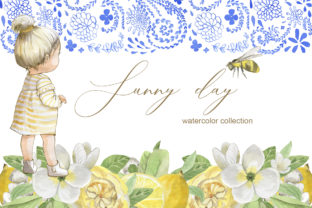
Sunny Day Watercolor Collection Review
As a designer who has spent years translating digital art into tangible stitched goods, I approach every new machine embroidery design with a mix of excitement and skepticism. The gap between a beautiful screen image and a successful finished product can be wide. When I first opened the Sunny Day Watercolor Collection, I was immediately drawn to its soft, dreamy aesthetic. It belongs firmly in the Illustrations category, offering a mood that feels warm, optimistic, and undeniably cheerful. But does this visual charm translate well into thread? That is the real question for any serious craft business or hobbyist looking to expand their catalog.
The Mood and Visual Personality
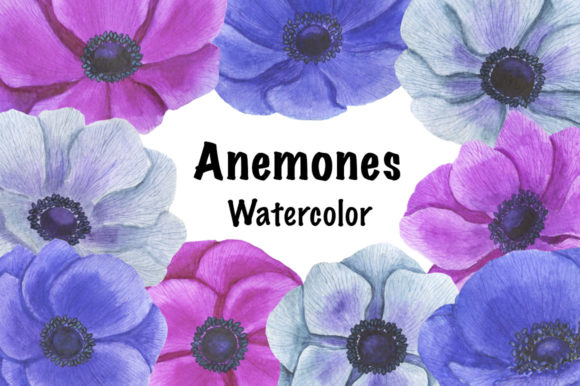
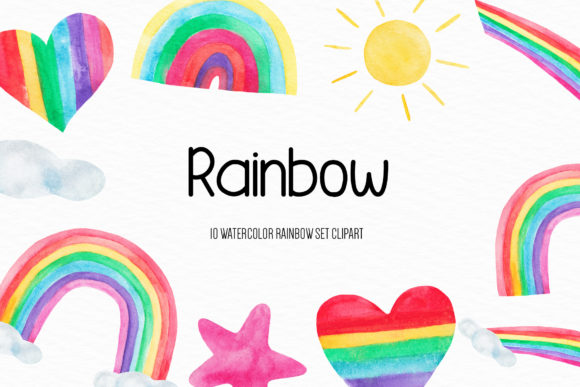
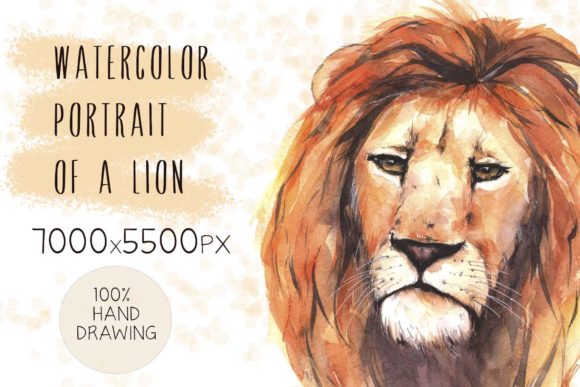
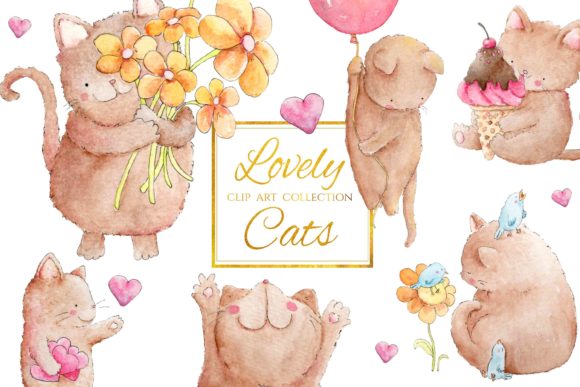
The first impression of the Sunny Day Watercolor Collection is one of gentle nostalgia. Unlike high-contrast vector graphics that rely on sharp lines, these designs mimic the fluidity of watercolor paint. For an embroidery project, this presents a unique challenge and opportunity. The shapes are organic, with soft edges that suggest blending rather than hard boundaries. This makes the collection perfect for creating a sense of whimsy on custom apparel or home decor items. It screams "spring," "nursery," and "boutique." However, achieving that watercolor look in thread requires careful planning regarding stitch density and color placement.
In my experience, designs that try to replicate painterly effects often struggle if the stitch count is too low or the thread colors are not graded correctly. The Sunny Day Watercolor Collection seems designed to handle this by using layered fills that create depth. When I visualize this as a tote bag design, I can see how the soft gradients would pop against a natural canvas background, giving the item a high-end, handcrafted feel that customers love on platforms like Etsy.
Real-World Application: A Custom Sweatshirt Scenario
Let's walk through a practical scenario. Imagine you are preparing a limited run of organic cotton sweatshirts for a local boutique. You want something that feels personal but professional. You decide to use the Sunny Day Watercolor Collection on the chest area of a heather grey sweatshirt. The fabric texture here is crucial. Because sweatshirts have a looped pile, a design with heavy fill stitch might sink in or look muddy if not properly stabilized.
With this specific collection, the softer edges actually work in your favor. Instead of fighting the fabric grain with rigid outlines, the watercolor style allows the stitches to blend slightly with the loops of the knit. I would recommend placing the design on the left chest or center back, depending on the size. If you are making baby embroidery items, such as a onesie or a receiving blanket, the pastel tones inherent in the "Sunny Day" theme are ideal. Parents are constantly looking for soft, gender-neutral, or nature-inspired motifs for nursery decor. This collection fits that market perfectly without feeling overdone.
However, consider the customer reaction. A buyer purchasing a handmade product expects quality. If the embroidery file results in puckering on the sweatshirt because the stabilizer wasn't strong enough, the delicate beauty of the design is lost. The visual appeal relies entirely on the smoothness of the stitching. If the threads lay flat and the colors transition smoothly, the perceived value of the finished product skyrockets. It transforms a basic garment into a statement piece.
Navigating Fabric and Hoop Challenges
While the Sunny Day Watercolor Collection is versatile, there are areas where caution is required. First, consider the hoop size. Watercolor effects often require larger areas to let the "paint" breathe. Trying to squeeze a complex floral or sun motif from this collection into a tiny 4x4 hoop might result in lost detail and a cluttered look. Always check the dimensions before committing to a small embroidered patch or a cap logo.
Dark fabrics present another hurdle. Watercolor designs typically utilize light, airy colors. Placing them on black or navy blue material without proper underlay or bright contrast can make the design disappear. In a commercial setting, this could lead to returns or unhappy clients. I always advise testing the design on scrap fabric first, especially when dealing with textured fabrics or stretchy materials like jersey. The running stitch details that define the artistic flair might get swallowed up by a thick weave or a dark background.
Furthermore, curved surfaces like caps require special attention. The soft, flowing lines of the Sunny Day Watercolor Collection might distort if the cap is not hooped correctly or if the stabilizer tears during the process. For items that need frequent washing, such as kitchen towels or aprons, ensure the thread colors are colorfast and the stitch tension is secure. A design that looks great fresh out of the machine but frays after three washes will damage your brand reputation.
Designer Notes for Success
To get the most out of this digital embroidery file, follow these practical steps:
- Test on Scrap Fabric: Never skip this step. Stitch a sample on the exact fabric you plan to use to check for puckering and color vibrancy.
- Check Thread Contrast: Ensure the lighter shades in the watercolor effect stand out against your chosen background. You may need to adjust the underlay settings in your software.
- Review Stitch Density: If the design feels too heavy, it may cause the fabric to pucker. Conversely, if it is too light, the fabric might show through, ruining the watercolor illusion.
- Confirm Hoop Size: Make sure your machine hoop accommodates the full width and height of the design without cutting off important elements.
- Inspect Small Details: Zoom in on the digital preview to see if fine lines will translate well into satin stitch or if they need to be converted to fill stitch for better coverage.
- Use Proper Stabilizer: For custom apparel, a cut-away stabilizer is often best for knits to maintain elasticity, while tear-away works well for woven fabrics like tote bags.
- Verify Licensing: Before selling handmade products or commercial embroidery items, confirm that your license allows for resale. Do not sell the embroidery file itself unless explicitly permitted.
Building Your Brand with Artistic Designs
For the Etsy seller or small shop owner, consistency is key. The Sunny Day Watercolor Collection offers a cohesive look that can tie together a whole line of products. Imagine a matching set of a pillow cover, a tea towel, and a tote bag, all featuring variations from this collection. This creates a recognizable brand identity that encourages repeat customers. The artistic nature of the design assets sets your work apart from the generic clip-art often found in mass-market stores.
When creating printable mockups for your online listings, ensure the images accurately represent how the design will look in thread. Customers cannot touch the product, so your photos must convey the texture and depth. A high-quality photo of a personalized gift featuring this collection can significantly boost buyer engagement and trust.
Ultimately, the Sunny Day Watercolor Collection is a powerful tool for designers who understand the nuances of translation from screen to stitch. It is not just about downloading a file; it is about understanding how applique design principles, stitch types, and fabric choices interact to create a masterpiece. Whether you are making a holiday gift, a wedding favor, or merchandise for your own brand, taking the time to test and refine your application of this design will pay off in the quality of your final output.
Remember, the best embroidery project is one where the design serves the product, not the other way around. With the right preparation and attention to detail, the Sunny Day Watercolor Collection can bring a burst of sunshine to your creative business, delighting customers with its charm and professionalism.