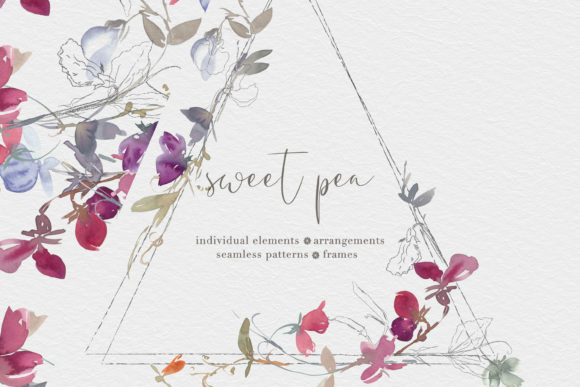
Watercolor Sweet Pea Clipart Collection Illustrations
As a digital publisher who has spent years refining the visual language of content websites, I know that the difference between a casual blog and a trusted brand often comes down to the quality of the graphic design assets used. When I first opened the Watercolor Sweet Pea Clipart Collection, my immediate reaction was one of relief. In an era dominated by sterile vector graphics and hyper-realistic stock photography, this set offers a breath of fresh air. It creates an editorial mood that is simultaneously soft, inviting, and sophisticated. The watercolor texture immediately signals a lifestyle-focused or creative niche, evoking feelings of nostalgia, nature, and gentle elegance. This is not just a set of pictures; it is a curated tool for establishing a specific emotional connection with your audience.
The Editorial Mood and Visual Identity
When you are building a website header or designing a newsletter banner, the choice of imagery dictates how readers perceive your authority and warmth. The Watercolor Sweet Pea Clipart Collection leans heavily into a feminine, artistic, and seasonal aesthetic. It feels organic and hand-crafted, which naturally supports niches like gardening, wellness, home decor, wedding planning, and educational resources for children. Unlike rigid corporate illustrations, these elements introduce a sense of playfulness without sacrificing professionalism. For a small business owner or creative entrepreneur, this collection serves as a powerful anchor for brand identity. It allows you to move away from generic templates and toward a unique visual hierarchy that feels personal and authentic.
In the context of web design, these illustrations act as subtle yet effective cues that guide the reader's eye. They break up walls of text and add color to monochromatic layouts. When I tested them in a mock-up for a spring-themed affiliate marketing post, the sweet pea vines provided a natural frame for the product images, making the call-to-action buttons feel more integrated and less intrusive. This seamless integration is crucial for improving click-through potential. Readers are more likely to engage with content that feels visually cohesive rather than disjointed.
Real-World Publishing Applications
The versatility of the Watercolor Sweet Pea Clipart Collection makes it an essential addition to any content creator's library. I have found several high-impact ways to utilize these assets in real publishing workflows:
- Blog Featured Images: Instead of relying solely on photography, use these clipart pieces to create custom featured images that stand out in search results and social feeds. They work beautifully when paired with bold typography to create striking thumbnails.
- Pinterest Pins and Social Media Graphics: Pinterest users crave aesthetic appeal. These illustrations are perfect for creating vertical pins that stop the scroll. Whether you are promoting a digital guide or a printable design, the soft edges of the watercolor style perform exceptionally well in the feed.
- Newsletter Headers and Banners: A consistent visual theme in your email marketing builds trust. Using the sweet pea motifs as repeating background patterns or corner accents can make your newsletters feel like exclusive invitations rather than spam.
- Digital Products and Lead Magnets: If you sell eBooks, worksheets, or digital guides, the cover design is your primary sales tool. This collection provides the decorative elements needed to make your digital download look premium and professionally designed.
- Canva Templates: For those who manage multiple accounts or offer templates to clients, these assets are ready to be dropped into Canva projects, instantly elevating the quality of client deliverables.
Enhancing Content Performance and Trust
Visual consistency is the backbone of strong branding. When every page of your site, from the homepage to the category archives, utilizes elements from the same design system, you build reader trust. The Watercolor Sweet Pea Clipart Collection helps achieve this by offering a unified palette and style. This consistency improves category recognition; a user navigating your site will instantly recognize the "Gardening" section because of the distinct floral accents, even before reading the headline.
Furthermore, these illustrations support better visual hierarchy. By placing a large sweet pea illustration near a key headline, you draw attention to the most important information on the page. This strategic placement can significantly improve the readability of complex articles and keep users engaged longer. In affiliate marketing, where conversion rates depend on how well a product is presented, using high-quality creative design elements can make the difference between a sale and a bounce. These assets ensure your promotional content looks polished and clickable, rather than cluttered or amateurish.
Strategic Placement and Design Considerations
While the Watercolor Sweet Pea Clipart Collection is incredibly versatile, it is important to know where it shines and where it might require caution. These assets work best as hero images, article thumbnails, and editorial accents. They are ideal for adding a touch of whimsy to serious topics, such as health or finance, by softening the tone and making the content more approachable. However, they should be used carefully in situations requiring extreme minimalism or stark corporate professionalism. If your website relies on a very clean, industrial, or tech-heavy visual system, the organic nature of watercolors might clash with your overall aesthetic.
Additionally, avoid using these illustrations in low-contrast backgrounds where the delicate details might get lost. On mobile screens, smaller versions of these clips need to remain legible. Always test how the asset looks as a thumbnail on a smartphone before finalizing your layout. If the image becomes too busy or indistinct at small sizes, consider simplifying the composition or using a single flower element instead of a full cluster.
Practical Publisher Notes for Implementation
Before integrating the Watercolor Sweet Pea Clipart Collection into your live site, follow these practical steps to ensure optimal performance:
- Test Across Devices: Preview the graphics on both desktop and mobile screens to ensure the watercolor textures render clearly and do not pixelate.
- Check Contrast and Readability: Place the illustrations beside various font styles—serif, sans serif, script, and handwritten—to see what combinations offer the best readability. Ensure the text remains legible over or next to the colorful blooms.
- Optimize File Size: High-resolution art is great for print, but web performance matters. Compress the images properly to ensure fast load times without sacrificing visual quality. Slow sites hurt SEO and user experience.
- Verify Licensing: Always confirm the commercial license terms. If you plan to use these assets on monetized websites, affiliate pages, or paid content products like digital guides, ensure you have the right to do so legally.
- Color Consistency: Try the images in black and white mode to see if the shapes hold up, which is useful for printed materials or grayscale sections of your site.
In conclusion, the Watercolor Sweet Pea Clipart Collection is more than just a set of pretty pictures; it is a strategic tool for modern design and content marketing. For bloggers, publishers, and creative entrepreneurs looking to elevate their digital presence, these illustrations offer a pathway to creating content that is not only informative but also visually memorable. By leveraging these assets effectively, you can craft a brand identity that resonates deeply with your audience and stands out in the crowded digital marketplace.