Watercolor Fruits Clipart & Illustrations
As a digital product creator who has launched dozens of listings on Etsy and Creative Fabrica, I approach every new graphic design asset with a critical eye. The market is saturated, and the difference between a bestseller and a forgotten listing often comes down to the quality and versatility of the underlying illustrations. Recently, I downloaded a set titled Watercolor Fruits Clipart to test its potential for a seasonal summer collection. My goal was not just to admire the art, but to determine if it could function as a robust commercial design tool for print-on-demand, sublimation, and digital downloads.
First Impressions: Mood and Market Appeal
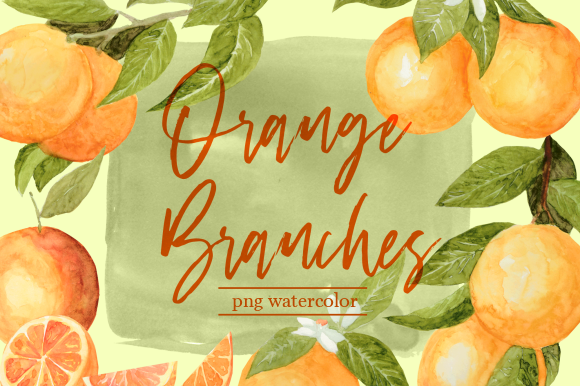
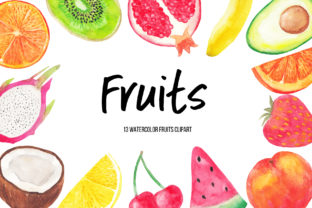
The moment the files opened, the visual personality of the Watercolor Fruits Clipart became clear. These are not stiff, vector-perfect shapes; they possess a soft, organic texture that immediately signals "handmade" and "whimsical." The color palette leans towards vibrant yet natural tones, suggesting freshness and health. This specific aesthetic appeals strongly to buyers looking for nursery decor, wellness branding, or feminine lifestyle products. It feels less like a corporate stock image and more like an authentic illustration created by an artist.
For a small business owner targeting the handmade market, this mood is crucial. In the world of digital selling, customers buy the feeling a product evokes. These illustrations suggest a rustic, modern, and slightly festive vibe. They are playful enough for children's products but elegant enough for adult-oriented stationery or packaging design. If your brand identity relies on warmth and authenticity, this asset fits perfectly into your visual hierarchy.
Real-World Application in Product Creation
To truly evaluate the utility of Watercolor Fruits Clipart, I moved beyond the preview window and began testing it across various product types. The versatility of these illustrations is their strongest selling point. For my print-on-demand shop, I immediately saw potential for t-shirt designs and tote bag prints. The watercolor bleed creates a soft edge that translates beautifully onto fabric, avoiding the harsh look of solid vector fills.
I also explored using these assets for sublimation designs. The high-resolution PNGs held up well when scaled for mugs and tumbler wraps. Because the background is transparent, integrating them into complex layouts for social media graphics or blog headers was seamless. For Canva template sellers, these illustrations offer a way to elevate standard templates into premium offerings. A simple greeting card template becomes a high-value item when paired with these detailed fruit elements.
Crafters and Cricut users will find value here as well, though with some caveats. While the primary strength lies in the PNG format for printing, the SVG versions allow for cutting projects. However, the nature of watercolor means that intricate cut lines might be lost if the design is too busy. It works best for larger vinyl decals or sticker designs where the overall shape is recognizable without needing microscopic precision.
Enhancing Product Presentation and Listings
A significant part of my review focused on how these assets impact the listing itself. In a crowded creative marketplace, your thumbnail images must stop the scroll. I used the Watercolor Fruits Clipart to create mockup previews for a hypothetical planner sticker bundle. The bright colors of the fruits popped against a neutral background, instantly drawing attention. This demonstrates the power of using high-quality illustrations to improve click-through potential.
Furthermore, consistency is key for building customer trust. By using these same illustrations across a series of products—such as matching printable wall art, invitation templates, and digital paper packs—you create a cohesive collection. This visual storytelling encourages customers to buy the whole bundle rather than a single item, increasing your average order value. When customers see a professional, unified brand identity, they perceive higher value in your digital download.
Strategic Use Cases for Maximum Impact
Where does this asset shine brightest? It excels in large product previews and decorative layouts. For example, placing a cluster of these fruits on a large canvas for nursery prints creates a focal point that commands attention. They are also excellent for themed bundles, such as a "Summer Harvest" kit that includes scrapbooking kits, promotional visuals, and packaging design elements. The organic nature of the watercolor style makes them ideal for products that need to feel personal and crafted.
In the realm of merchandise, these illustrations work exceptionally well on light-colored backgrounds. Whether it is a white mug, a beige tote bag, or a pastel notebook cover, the colors remain true and vibrant. They are also perfect for social media promos, adding a touch of creativity to your marketing materials without requiring advanced design skills.
Cautions and Limitations to Consider
While the Watercolor Fruits Clipart is versatile, it is not a one-size-fits-all solution. There are scenarios where you should use these assets carefully. For instance, tiny sticker details can get lost if the watercolor edges are too diffuse. If you are creating a layout with very small text, the complexity of the fruit shapes might compete for attention, disrupting the visual hierarchy.
Another consideration is the background. These illustrations rely on contrast. Placing them on dark backgrounds without adjusting the opacity or brightness can make the colors muddy and indistinct. Additionally, for Cricut or Silhouette projects that require clean, sharp cutting lines, the soft edges of a watercolor style might result in uneven cuts unless you are specifically aiming for a distressed look. Always inspect the SVG cut quality before committing to a physical project.
Practical Seller Notes for Success
If you decide to incorporate Watercolor Fruits Clipart into your shop, follow these practical steps to ensure success. First, always test the design on real mockups. Do not rely solely on the flat file; see how it looks on a t-shirt, a mug, or a printed card. Preview it as a marketplace thumbnail to ensure it remains legible at small sizes.
Check the performance of the files on both white and dark backgrounds to understand their limitations. Verify the PNG transparency to ensure there are no jagged edges around the fruit shapes. If you are offering SVGs, confirm the file resolution and cut paths are clean. Organize your files clearly for your customers, perhaps separating the PNGs from the SVGs and including a license guide.
Finally, consider typography. Pair these illustrations with complementary fonts. A serif font can add elegance, while a handwritten font enhances the handmade feel. Ensure you have a valid commercial license before selling any finished products. By treating this graphic design asset with care and strategic planning, you can turn a simple clipart set into a cornerstone of your profitable digital product line.