Orange Watercolor Brush Illustrations for Crafters
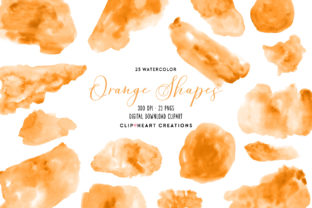
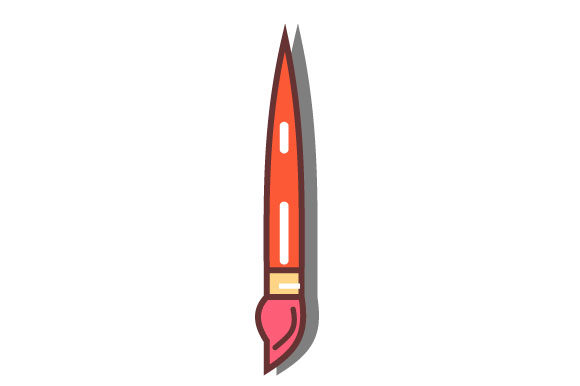
I recently opened my design library to plan a new seasonal collection for my Etsy shop, and I stumbled upon the Orange Watercolor Brush graphic design asset. As someone who has spent years designing handmade products, from sublimation mugs to vinyl stickers, I know that finding the right illustration can make or break a product line. This specific asset immediately caught my eye because of its vibrant energy. It feels warm, playful, and undeniably autumnal, making it perfect for fall-themed projects or any design needing a pop of citrusy brightness. The texture mimics real watercolor strokes, giving it an organic, hand-painted feel that resonates deeply with customers looking for authentic, artisanal goods rather than sterile vector art.
First Impressions and Mood for Handmade Brands
When I first previewed the Orange Watercolor Brush in my design software, the mood it set was instantly cozy and inviting. It doesn't scream "corporate"; instead, it whispers "handcrafted." For small business branding, this is a goldmine. If you are selling items like tote bags, greeting cards, or planner stickers, this illustration suggests a creator who cares about detail and artistic flair. The orange hue is versatile enough to work with earth tones for a rustic look or paired with crisp white for a modern, clean aesthetic. It appeals to buyers who appreciate the imperfect beauty of watercolor, making it an excellent choice for gift tags, party favors, and personalized home decor.
Real-World Applications for Cricut and Silhouette Users
Let's talk about how this actually works in a crafting workflow. I decided to test the Orange Watercolor Brush on a batch of custom tumbler wraps using my Cricut machine. The SVG design loaded perfectly into Cricut Design Space. Because the brush strokes have a natural variation in width, they cut cleanly without the stiffness of geometric shapes. However, if you are planning a Silhouette project involving intricate layering, you need to be mindful of the file structure. For sticker design, the PNG version is fantastic. The transparency allows you to place the brush stroke over photos or textured backgrounds seamlessly, creating a high-end digital product look. Whether you are making a mug design for a coffee lover or a t-shirt design for a casual brand, the asset scales well, maintaining its soft edges even when resized.
Best Use Cases for Printables and Sublimation
This illustration shines brightest in large cut files and clean printable layouts. I used it as a central element for a series of printable wall art pieces intended for nursery rooms. The soft orange tone adds warmth without overwhelming the space. It also works exceptionally well in seasonal craft bundles. Imagine pairing this Orange Watercolor Brush with script fonts for a "Hello Fall" sign or combining it with other nature elements for a scrapbooking layout. For sublimation design, the color saturation is rich, ensuring that when printed on ceramic or polyester fabrics, the orange pops vividly. It is also ideal for product mockups; placing this illustration on a digital mug or shirt helps potential customers visualize the final handmade item before they buy.
Where to Exercise Caution in Your Designs
While the Orange Watercolor Brush is a powerful tool, it is not a one-size-fits-all solution. You must use it carefully in very small cutting details. The organic edges of the brush stroke can sometimes result in tiny fragments of vinyl that are difficult to weed, especially if you are working with small sticker sizes. If your design relies on thin lines or crowded compositions, the watercolor texture might get lost or appear muddy. Avoid using it in low-contrast colors where the orange might blend into the background too much. Furthermore, for layered vinyl projects where precision is key, ensure the resolution is high enough so the edges don't look jagged. Always remember that customers expect clean, readable shapes, so do not let the artistic flair compromise the functionality of the design.
Practical Notes for the Creative Entrepreneur
Before you commit to selling finished products featuring this asset, there are several practical steps to take. First, always test the file before selling. Download the SVG and cut a sample on your material of choice. Check if the SVG lines are clean and if the paths are closed properly. For print-on-demand services, preview the PNG transparency to ensure there are no unwanted white borders. Confirm the resolution is at least 300 DPI for sublimation to avoid pixelation. Test colors on both white and dark products, as the orange may shift slightly depending on the base material. Place the design on real mockups to see how it looks in context. If the layout feels too busy, simplify it by removing extra elements. Pair the Orange Watercolor Brush with a serif font for a classic look or a handwritten font to enhance the organic vibe. Finally, and most importantly, confirm the commercial licensing. Ensure you have the rights to use this graphic design asset for customer orders and handmade business products. A clear commercial license protects your business and ensures you can legally sell your creations on platforms like Etsy or at local craft fairs.
Final Thoughts on Building Your Collection
Incorporating the Orange Watercolor Brush into your creative marketplace strategy can elevate your entire portfolio. It offers a unique blend of artistic charm and technical usability that many generic clipart assets lack. Whether you are launching a new line of t-shirt designs, creating a digital product bundle, or refreshing your small business branding, this illustration provides the visual hook needed to attract attention. By understanding its strengths and limitations, you can create professional, high-quality items that stand out in a crowded market. As a fellow maker, I recommend adding this to your design assets library, but always approach it with the same care and testing you would give to any premium resource. Happy crafting!