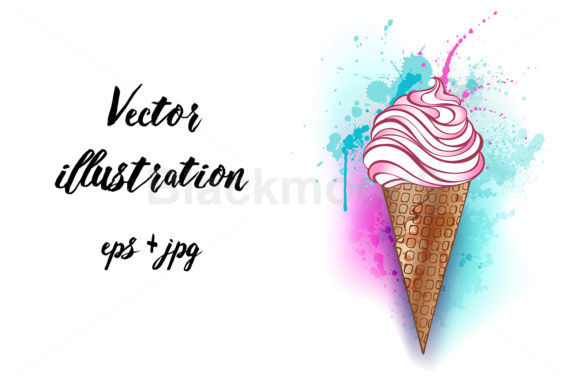
Ice Cream Painted Watercolor Illustrations
As a seasoned handmade business owner who has spent years perfecting the workflow from digital file to finished product, I know that selecting the right graphic design asset can make or break a collection. Recently, I pulled up Ice Cream Painted Watercolor with the intention of launching a summer-themed batch for my Etsy shop. My goal was to create cohesive sublimation mugs, vinyl stickers, and printable gift tags that would pop at an upcoming craft fair. The first thing that struck me about this set was its immediate ability to evoke a sense of nostalgia and playfulness. It does not feel sterile or overly vectorized; instead, it carries the organic texture of real paint, which is exactly what modern buyers are craving in the current creative marketplace.
The Mood and Market Appeal of This Collection
When you look at Ice Cream Painted Watercolor, you are immediately transported to a sunny afternoon. The soft gradients and bleeding edges suggest a style that is both cute and feminine, yet sophisticated enough for premium handmade goods. Unlike flat clipart, these illustrations have depth. For a small business branding strategy, this means you can target parents looking for birthday party favors, coffee shop owners needing seasonal tumbler wraps, or scrapbookers seeking high-end paper accents. The visual personality here is warm and inviting, making it perfect for customers who value artisanal touches over mass-produced aesthetics. If your brand voice is cozy, cheerful, or whimsical, this asset fits seamlessly into your existing design language.
Real-World Applications for Crafters and Sellers
In my studio, I tested how this illustration performs across various mediums, and the versatility is impressive. For my Cricut project, I used the SVG version to cut vinyl decals for water bottles. Because the watercolor effect is baked into the image rather than relying on intricate layering, the cut lines were manageable. However, the true magic happened when I switched to sublimation. Using the PNG design for mug printing resulted in vibrant, realistic colors that mimicked actual hand-painted art. The sublimation design capabilities are top-tier, as the transparency allows the white ceramic to shine through the lighter washes of color.
Beyond hard goods, I explored using Ice Cream Painted Watercolor for soft goods like tote bags and t-shirts. The t-shirt design potential is high, especially for kids' apparel or casual summer wear. The soft edges blend beautifully with fabric textures, avoiding the "sticker-like" appearance that often plagues poor-quality prints. I also prototyped a series of planner stickers and greeting cards. As a printable design, it offers a unique advantage: customers buying the digital download can print it at home on cardstock for instant use, while I can sell pre-printed versions as physical products. This dual-use capability makes it a valuable addition to any design bundle aimed at DIY creators and hobby makers alike.
Where This Asset Shines Brightest
- Large Cut Files: The details hold up well when scaled up for banners or large wall art.
- Seasonal Craft Bundles: Perfect for creating cohesive summer collections for craft fairs.
- Gift Products: Ideal for wrapping paper designs, gift tags, and thank-you cards.
- Product Mockups: The artistic style elevates the perceived value of mockups for online shops.
- Small Business Branding: Works wonderfully as a logo element or packaging accent for ice cream shops or bakeries.
Technical Considerations and Workflow Tips
While Ice Cream Painted Watercolor is fantastic, experienced crafters know that no asset is without limitations. You must be careful when using this for very small cutting details. The nature of watercolor means there are no hard edges, so if you attempt to cut tiny text or fine lines within the illustration using a Silhouette or Cricut, the machine may struggle to track the path. It is best reserved for larger shapes where the organic blur adds character rather than confusion. Additionally, avoid crowded compositions. These illustrations breathe best when given negative space; packing them too tightly can muddy the delicate color transitions.
Before committing to a full production run, always test the file. Check if the SVG design lines are clean and free of stray nodes. Preview the PNG transparency to ensure there are no unwanted white boxes around the edges, which can ruin a professional look on dark backgrounds. Confirm the resolution is high enough for sublimation; low-res images will pixelate on large tumblers. I also recommend testing the colors before printing, as screen-to-print variance can alter the pastel tones. Always place the design on real product mockups to see how it looks on white versus dark products. Sometimes, simplifying the layout by removing background elements works better for specific applications like sticker design.
Pairing Fonts and Final Checks
To maximize the impact of Ice Cream Painted Watercolor, consider your typography carefully. A handwritten font or a flowing script complements the organic nature of the painting perfectly. Alternatively, a clean sans serif font can provide a nice contrast, grounding the whimsy with modern readability. Avoid overly decorative display fonts that might compete with the detailed brushstrokes. Finally, and most importantly, confirm the commercial licensing. Ensure you have the right to use this commercial design for customer orders, Etsy products, and print-on-demand services. Never assume a free download includes commercial rights; always verify the terms to protect your handmade business.
Why This Matters for Your Creative Journey
In the competitive world of handmade sales, standing out requires assets that feel authentic. Ice Cream Painted Watercolor offers that authenticity. It bridges the gap between digital convenience and handcrafted charm. Whether you are designing a single custom order or preparing a massive inventory for a trade show, having access to high-quality Illustrations like this streamlines your process. It allows you to focus on assembly and marketing rather than spending hours trying to paint effects from scratch. By understanding its strengths and limitations, you can leverage this tool to create beautiful, profitable products that resonate with your audience. From the initial inspiration to the final sale, this asset proves to be a reliable partner for the serious crafter.