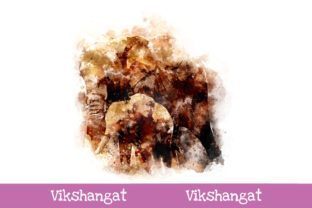
African Elephant Watercolor Art & Illustrations
As a brand designer who has spent years curating visual identities for small businesses and digital entrepreneurs, I approach every new graphic design asset with a critical eye. The market is flooded with generic clipart that dilutes brand authority rather than enhancing it. Recently, I evaluated a specific piece titled African Elephant Watercolor Art to see if it could elevate a real-world marketing campaign for an eco-conscious lifestyle brand launching a new line of sustainable home goods. My goal was to determine if this illustration could serve as a cornerstone for their visual strategy without compromising professional branding standards.
The First Impression: Mood and Emotional Resonance
Upon opening the file, the immediate impact of African Elephant Watercolor Art is one of organic elegance. Unlike rigid vector graphics or hyper-realistic photography, this watercolor style introduces a sense of fluidity and humanity that resonates deeply with audiences seeking authenticity. For a brand targeting conscious consumers, the soft edges and subtle color gradients create a mood that feels handmade, thoughtful, and premium. It avoids the sterile look often associated with corporate stock photos, instead offering a creative design element that suggests care and craftsmanship.
This emotional tone is crucial for content marketing. When an audience sees this illustration on a landing page or social media post, they subconsciously associate the brand with nature, stability, and gentleness. It is not merely a decorative image; it acts as a visual cue that aligns perfectly with values like sustainability, family, and heritage. Whether used for casual branding or high-end editorial design, the asset strikes a balance between artistic expression and commercial viability.
Integrating the Asset into Real Marketing Workflows
In our hypothetical campaign for the sustainable home goods launch, African Elephant Watercolor Art became the hero graphic for the email newsletter and the Instagram carousel. The versatility of this PNG design allowed us to layer it over textured backgrounds without losing definition. We utilized it as a central focal point in our product label mockups, where the elephant's silhouette provided a strong visual hierarchy that guided the viewer's eye toward the product name and key benefits.
For social media graphics, the illustration worked exceptionally well. On Pinterest, where visual discovery drives traffic, the unique watercolor texture stood out against competitors using flat, minimalist designs. We incorporated the asset into Canva templates for our blog headers, ensuring that every article shared a consistent visual language. This consistency is vital for building audience trust. When a user sees the same high-quality illustration across a Facebook ad, a website banner, and a printable promotion, it reinforces brand recognition and signals professionalism.
Beyond digital ads, we explored its application in physical merchandise. The design translated beautifully onto packaging inserts and event flyers. Because the watercolor style mimics traditional art, it added a tactile feel to the digital-to-physical experience, making the unboxing moment more memorable. This seamless transition from screen to print demonstrates why this graphic design asset is a valuable addition to any design bundle for creative entrepreneurs.
Strategic Branding Applications and Visual Hierarchy
To maximize the impact of African Elephant Watercolor Art, it is essential to understand where it shines within a brand identity system. It excels as a decorative brand element in hero graphics and campaign headers. Its organic shape breaks up the rigidity of grid-based web design, adding movement and interest to otherwise static layouts. In editorial design, such as magazine-style blog posts or media kits, the illustration serves as a sophisticated break that keeps readers engaged.
We also tested its effectiveness in lead magnets. By placing the artwork on the cover of a downloadable guide about sustainable living, we saw higher click-through rates compared to text-only covers. The visual appeal promised value before the user even read the title. Furthermore, when designing promotional banners for seasonal offers, the asset provided a thematic anchor that tied disparate products together under a single, cohesive narrative.
Where to Exercise Caution
Despite its strengths, African Elephant Watercolor Art is not a universal solution. There are specific scenarios where its use requires careful consideration. In formal corporate branding, particularly for industries like law or finance, the whimsical nature of watercolor may undermine the desired tone of strict authority. Additionally, in dense information layouts or text-heavy ads, the intricate details of the illustration can compete with the main message, disrupting readability.
Small mobile graphics present another challenge. If the asset is scaled down too much without proper resolution, the delicate washes of color can become muddy or indistinct. Similarly, placing this illustration on low-contrast backgrounds can cause it to disappear visually. Designers must ensure there is sufficient negative space around the graphic to let it breathe. For overly minimal brands that rely on stark black-and-white aesthetics, the colorful nuances of this design might clash unless carefully desaturated or recolored to match the palette.
Practical Designer Notes for Implementation
Before committing to any commercial design project, I always run a series of tests. First, I place African Elephant Watercolor Art inside real campaign mockups to see how it performs in context. Does it look good on a smartphone screen? Is the text legible when overlaid? I also test it against various font styles. Interestingly, the soft curves of the watercolor pair beautifully with serif fonts for a classic look, but they also complement modern sans-serif typefaces for a contemporary edge. Script and handwritten fonts can enhance the organic feel, while bold display fonts provide a necessary contrast to ground the composition.
Color testing is another critical step. I review how the asset interacts with the brand color palette. Sometimes, adjusting the saturation or blending modes is necessary to ensure harmony. Checking the black and white usage is equally important for print applications where color fidelity might vary. Finally, verifying the commercial license is non-negotiable. As a professional, I must confirm that the asset allows for unlimited use in paid campaigns, client work, and business branding to avoid legal complications down the road.
Conclusion: A Versatile Tool for Creative Entrepreneurs
In conclusion, African Elephant Watercolor Art proves to be a robust tool for marketers and designers looking to inject personality and warmth into their visual content. It supports stronger first impressions, clearer visual hierarchy, and better product presentation. By understanding its strengths and limitations, brand owners can leverage this illustration to create memorable campaign visuals that resonate with their target audience. Whether you are building a content kit, refreshing your social media presence, or designing packaging for a new product line, this asset offers the perfect blend of artistic flair and commercial utility.